Browse Items (658 total)
The Baptist Chapel on the north side of the High Street in Newburgh was built in the early 1880s. It replaced an earlier chapel on a wynd on the south…
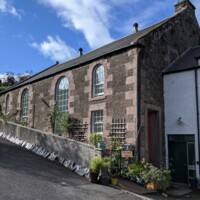 The former burgher chapel in Newburgh. The building now provides holiday accommodation. (Source: Open Virtual Worlds / University of St Andrews)
A Burgher Church was built on the west side of Clinton Street in the 1780s. The Burghers were a break-away movement from the Church of Scotland and…
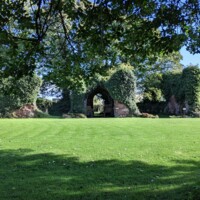 Ruins of Lindores Abbey. This photograph looks across what would once have been the cloister. (Source: Open Virtual Worlds / University of St Andrews)
Lindores Abbey was founded in the late twelfth century by David, Earl of Huntingdon. The earl had recently fought in the Third Crusade and established…
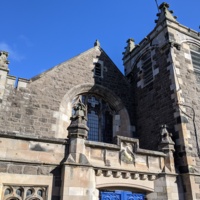 Gothic revival carving above the main entrance to Newburgh Parish Church. (Source: Open Virtual Worlds / University of St Andrews)
Newburgh Parish Church was built in the early 1900s. It originally served as the United Free Church. The building was designed by the Dundee…
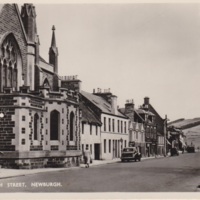 The impressive street frontage of St Katherine’s Parish Church in the mid-twentieth century. (Source: Newburgh Ancestry and History Society)
For several centuries St Katherine’s Church (which was formerly located on the north side of the High Street) served as Newburgh’s parish church. The…
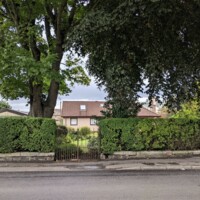 The site once occupied by St Katherine’s Episcopal Mission Church. The stone wall and iron gates are all that remain from the former church. (Source: Open Virtual Worlds / University of St Andrews)
There were some Episcopalian families in Newburgh in the eighteenth century. However, they do not appear to have had an official place of worship. In…
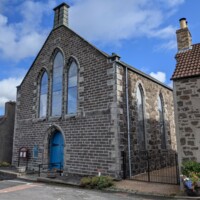 The United Reform Church on Clinton Street. (Source: Open Virtual Worlds / University of St Andrews)
On the east side of Clinton Street stands Newburgh’s United Reformed Church. This building has a complicated denominational history. In the early…
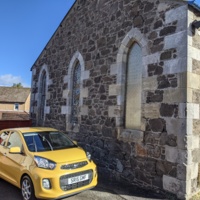 The west end of the former Livingstone Hall. (Source: Open Virtual Worlds / University of St Andrews)
The west end of the former Livingstone Hall. (Source: Open Virtual Worlds / University of St Andrews)
The building now occupied by Newburgh Flooring is widely believed to have once been a church. In reality for much of its history it appears to have…
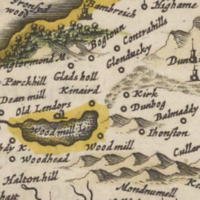 Joan Blaeu’s map of Fife with detail of Ayton or ‘Aitoune’. (Source: National Library of Scotland, https://maps.nls.uk/atlas/blaeu/browse/92)
The origins of the ruined chapel at Ayton are unclear, although it has (probably incorrectly) sometimes been thought to be the same site as a chapel…
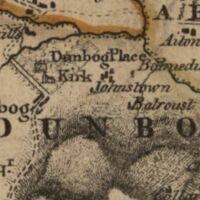 Dunbog Old Parish Church, Dunbog
Today all that is visible of Dunbog’s old parish church is a small abandoned graveyard near Dunbog House. There was a church on this site from at…
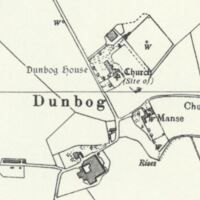 Dunbog Parish Church, Dunbog
Dunbog Parish Church was constructed around 1803. It had seating for 200 people, and in the 1840s had on average about 135 communicants. At this time…
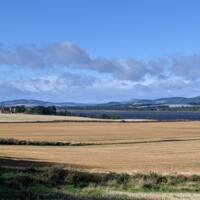 Ballinbreich Castle Chapel / Chapel Hill / Glenduckie Chapel, Ballinbreich
There is thought to have been a chapel located slightly to the east of the ruins of Ballinbreich Castle. In the 1840s it was noted that ‘the…
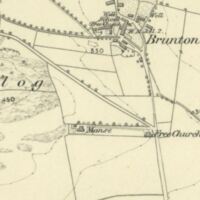 Creich and Flisk Free Church, Brunton
Creich and Flisk Free Church was founded in the 1840s. The congregation was established by Dr Taylor, who had formerly been minister of Flisk Parish…
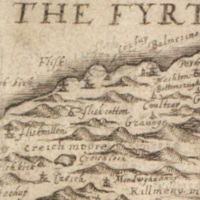 East Flisk Chapel / Birkhill, Flisk Wood
There appears to be the remains of a chapel in the southern section of Flisk Wood. Its origins are uncertain. James Gordon of Rothiemay’s 1642 map of…
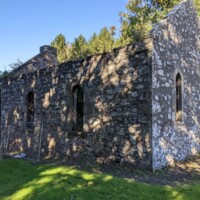 Flisk Parish Church
There seems to have been a parish church at Flisk as early as the 1170s. The medieval parish church survived into the late eighteenth century, before…
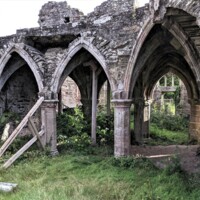 Balmerino Abbey, Balmerino
Balmerino Abbey was founded in the 1220s by Queen Ermengarde and her son Alexander II. The new monastery at Balmerino was a Cistercian community, and…
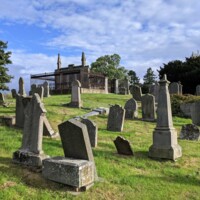 Balmerino Old Parish Church, Balmerino
The burial ground towards the southern edge of Kirkton of Balmerino reflects the site of the old parish church. According to local legend the parish…
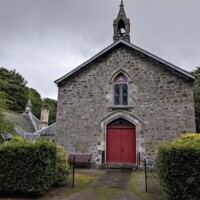 Balmerino Parish Church
Balmerino Parish Church opened in 1811. Previously the residents of Balmerino had worshipped at an older church in Kirkton of Balmerino. In 1838…
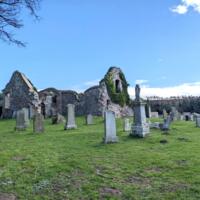 Forgan Old Parish Church / St Fillan's Parish Church
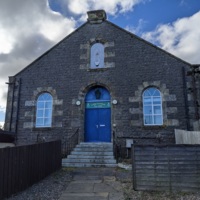 Leuchars Free Church / Henderson Hall
A Free Church congregation was established in Leuchars in the 1840s, in the immediate aftermath of the Great Disruption. During the 1890s the church…
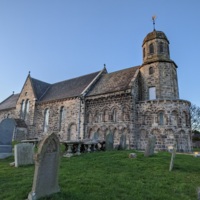 Leuchars Parish Church / St Athernase
The first written records for Leuchars Parish Church date from the 1180s. However, there may have been Christian activity here at an earlier date. The…
 Burntisland Parish Church, East Leven Street
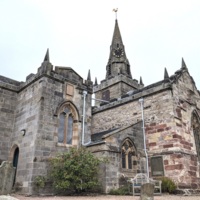 Largo Parish Church
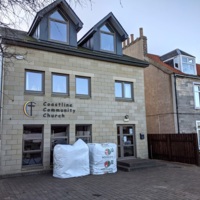 Coastline Community Church, Pittenweem
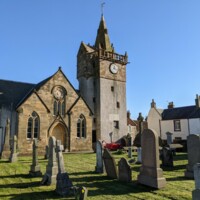 Pittenweem Parish Church
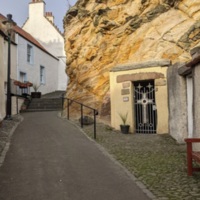 St Fillan's Cave, Pittenweem
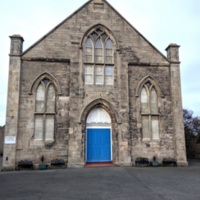 St Fillan's Church Pittenweem / Pittenweem Relief Church / Parish Church Hall
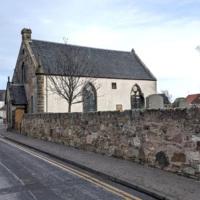 St John's Episcopal Church
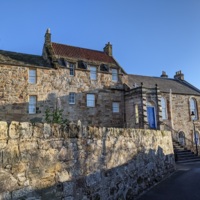 Pittenweem Priory
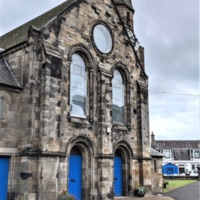 Leven Parish Church
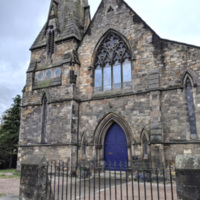 St Andrew's Church, Leven
Current use: residential.
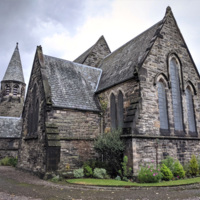 St Margaret of Scotland Episcopal Church, Leven
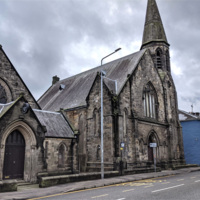 St Peter's Roman Catholic Church, Leven
Permanently closed/derelict.
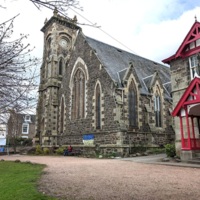 Newport-on-Tay Parish Church / St Thomas Church
 St Fillan's Roman Catholic Church, Newport
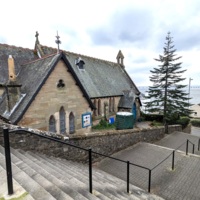 St Mary's Episcopal Church
 Trinity United Free Church, Newport-on-Tay
Converted to residential.
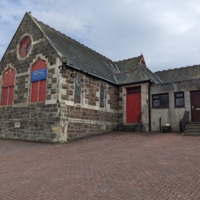 Wormit Old Parish Church / Wormit West Church / West Hall
Now a community Hall.
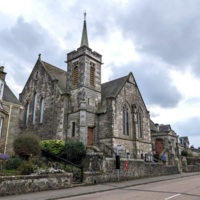 Wormit Parish Church / Wormit East Church
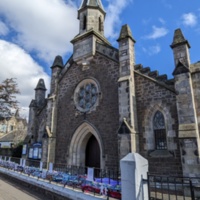 Tayport Parish Church, Queen Street / Tayport Free Church
Tayport Parish Church on Queen Street was built in the 1840s for a Free Church congregation. It has an impressive Victorian Gothic frontage. Following…
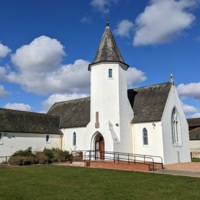 Our Lady Star of the Sea Roman Catholic Church, Tayport
The Roman Catholic Church of Our Lady Star of the Sea opened in 1939. The building was designed by the notable architect Reginald Fairlie – a comitted…
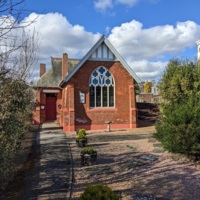 St Margaret of Scotland Episcopal Church, Tayport
Tayport Episcopal Church was established in the 1890s. The church is dedicated to St Margaret of Scotland and was designed by Major Thomas Martin…
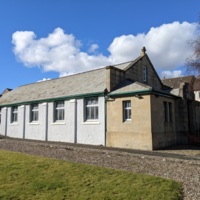 United Free Church, King Street
The origins of the United Free Church on King Street go back into the nineteenth century. Work began on a church on this site in the 1840s, although…
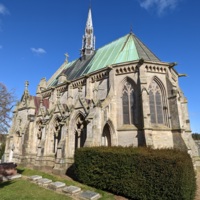 Drumoig Vicarsford Cemetery Chapel
The chapel at Drumoig Vicarsford Cemetery is a remarkably fine Victorian Gothic structure, inspired by the design of Sainte-Chapelle in Paris. It was…
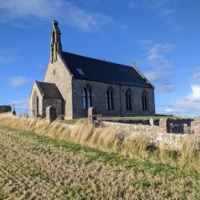 Boarhills Church / Chesterhill Chapel
Boarhills Church was founded in the 1860s. The building was designed by George Rae. When the church was being constructed several stone cists were…
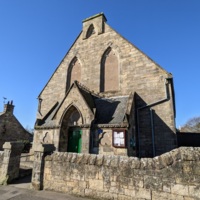 Strathkinness Free Church
A Free Church congregation was established at Strathkinness in the 1840s during the Great Disruption. In the 1860s they built a church on Main Street…
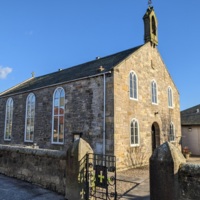 Strathkinness Parish Church
Strathkinness Parish Church was built in the 1860s. The building underwent major repairs in the 1930s, following the union between the village’s…
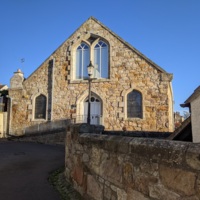 Baptist Church, Pittenweem
Current use: Residential.
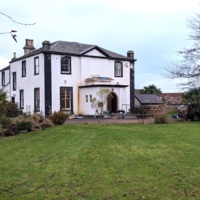 Christ the King Roman Catholic Church
Current use: residential.
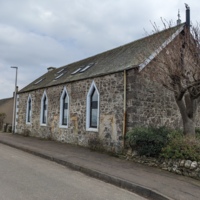 Gauldry Parish Church / Gauldry Free Church
A Free Church congregation was established at Gauldry in the 1840s. The site of the church is clearly marked on the first edition of the Ordnance…
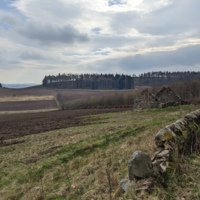 Coultra Church
During the twelfth century there was a parish church at Coultra. However, this appears to have been abandoned in the thirteenth century when the…
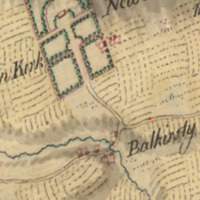 Balchrystie Roy map
Balchrysty and its surroundings on the eighteenth-century Roy Military Survey.